Pollution isn’t just something we put into the world

Breasts_front_cover_web Breast-feeding is an ecological act, connecting our bodies to the world in a complex web of give-and-take. The permeability of breasts allowed us to make great advances. Their estrogen sensitivity allows us

to reach puberty at optimal times. When our ancestors migrated and settled in river and costal areas, omega-3–rich diets turned their breast milk into gold, and our brains grew. We recruited, harvested, and bred specialized bacteria for our milk; we collected molecules from the world and from our bodies to manufacture novel sugar and fats to protect our babies. Our special low-protein milk kept us growing slowly, so we could have the longest childhoods on earth and learn everything we could.

Our brains grew so well that eventually we learned how to change the world’s ecology. We couldn’t possibly have guessed that we were changing our breast milk as well. Our nouveau crème no longer serves us as well as it once did. Ironically and tragically, breast milk once propelled our evolution, now it may be impeding it by conveying toxins and quite possibly contributing to infertility and brain and body impairments. For many decades, the formula companies have tried to mimic breast milk, but it is breast milk that now may be approximating formula. That is decidedly depressing.—Florence Williams, Breasts.
Is It Time To Geoengineer? Find Out More At Harvard Tomorrow

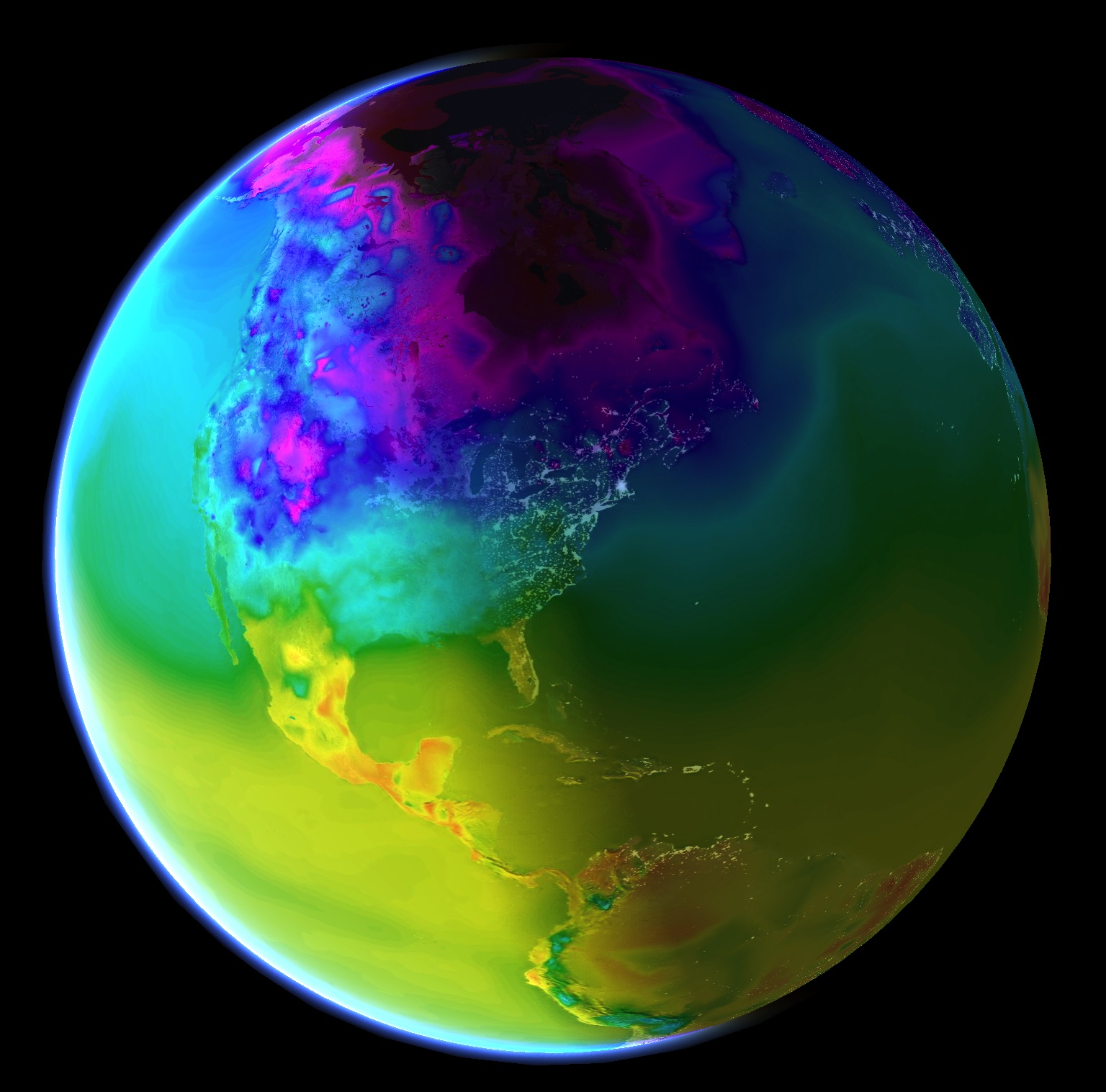
earth, temperature viewDoes geoengineering/climate engineering (in the form of altering our atmosphere on a global scale) hold the promise of successfully mitigating climate change?

When I first heard about geoengineering a few years ago via Technology Review, I dismissed it as outlandish and dangerous. After all, we have a bad track record of altering our world on large scales in detrimental ways. Then a few months ago, I attended a talk by David Keith that completely changed my mind. Given the current and future extent of climate change, putting sulfur compounds into the atmosphere to reflect sunlight may be viable and even desirable.

Tomorrow, Alan Robock of Rutgers University shares some views on taking on climate change with climate change during his talk at Harvard entitled “Smoke and Mirrors:  Is Geoengineering a Solution to Global Warming?” Whether geoengineering ends up providing a solution that we implement or not, it’s great that we’re exploring and discussing the possibilities it offers.

Revitalized by the Great Meadows, or I love MassDEP

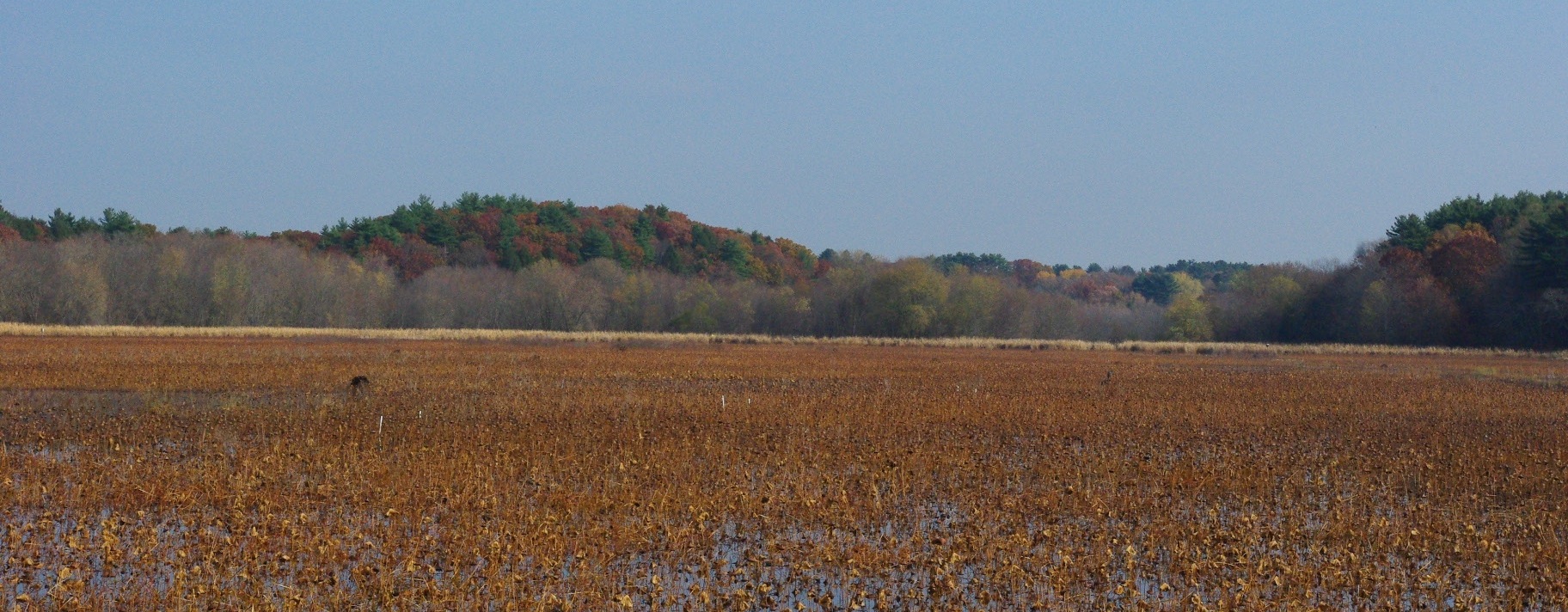
This past weekend, I bicycled out to the Great Meadows National Wildlife Refuge for some ecosystem immersement. The experience did not disappointed in the slightest—once the din of small planes overhead subsided and if I disregard how sore my butt got after riding for a while down invigoratingly wooded trails. Refreshed by beautiful birds and vegetation all around, the craziness of my past week (packed with meetings galore and email frenzies) melted away, leaving only the wonder of nature.

At the trailhead leading into the wetlands, I noticed a MassDEP sign (shown above) and wondered what they were up to here. I wasn’t able to find any additional information, but I’m delighted and comforted to know that MassDEP is doing some work at the Great Meadows. Now that I at last know the incredible value of ecosystems services and concerning/pressing/devastating extent of water issues, I am so glad that there are agencies like MassDEP that monitor and protect resources like this which are so vital for the ecology of Massachusetts and the health of its residents.